(12) Pisces (Meena) (Lord: Jupiter)
 Two Fishes Two Fishes |
|---|
| Characteristics : Pisces, the watery and dual-bodied Dwiswabhava Rashi, embodies intuition, emotional depth, and spiritual transcendence. As a mutable and common sign, it flows between realms—symbolized by its Ubhodaya nature (rising both head and tail), reflecting duality, adaptability, and inner conflict. Ruled by Jupiter and Neptune, Pisces is feminine, negative, and diurnal with short ascension, aligning with the North and transiting Vaishakh (March 15–April 15). It is fruitful and phlegmatic, often expressing itself through sensitivity, psychic awareness, and philosophical inquiry. Associated with the aquatic archetype and Moola (plants, trees), Pisces belongs to the Brahmin (priestly) class and is considered a benefic (Saumya), even-numbered night sign within the lunar sector. Its temperament is Tamasik—prone to emotional instability, hidden depths, and a yearning for moksha (liberation). The final portion, known as Rikta Sandhi, marks a karmic void or spiritual release, ideal for introspection and intuitive work. Pisces is a sign of mysticism, voice, and intellectual subtlety—often navigating life through dreams, empathy, and soulful resonance. | |
|
(1) Aries (Mesha) (Lord: Mars)
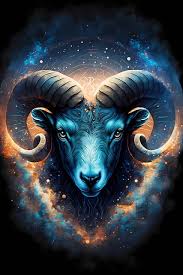 Ram Ram |
|---|
| Characteristics : Aries, the fiery and movable Chara Rashi, marks the bold beginning of the zodiac. Ruled by Mars and aligned with the East, it embodies masculine, dry, and impulsive energy—often associated with acute action, rhythmic drive, and bestial instinct. As a day sign with short ascension and nocturnal tendencies, Aries is linked to the warrior class (Kshatriya), symbolizing courage, aggression, and leadership. It is considered a Tamasik sign, prone to bilious temperament and sudden eruptions. Traditionally seen as barren and Prishtodaya (rising backward), Aries governs the lunar sector and is classified as a malefic (Krura) force—odd, mysterious, and intense. Its elemental association with Dhatu (metals, minerals, clay) reflects its grounding in raw power and foundational strength. Vaishak (April 15–May 15) marks its solar transit, and its symbolic blindness at midnight hints at impulsivity overriding reflection. Aries natives often embody acute ambition, violent passion, and a primal rhythm that drives them to initiate, conquer, and transform. | |
|
(2) Taurus (Vrishabha) (Lord: Venus)
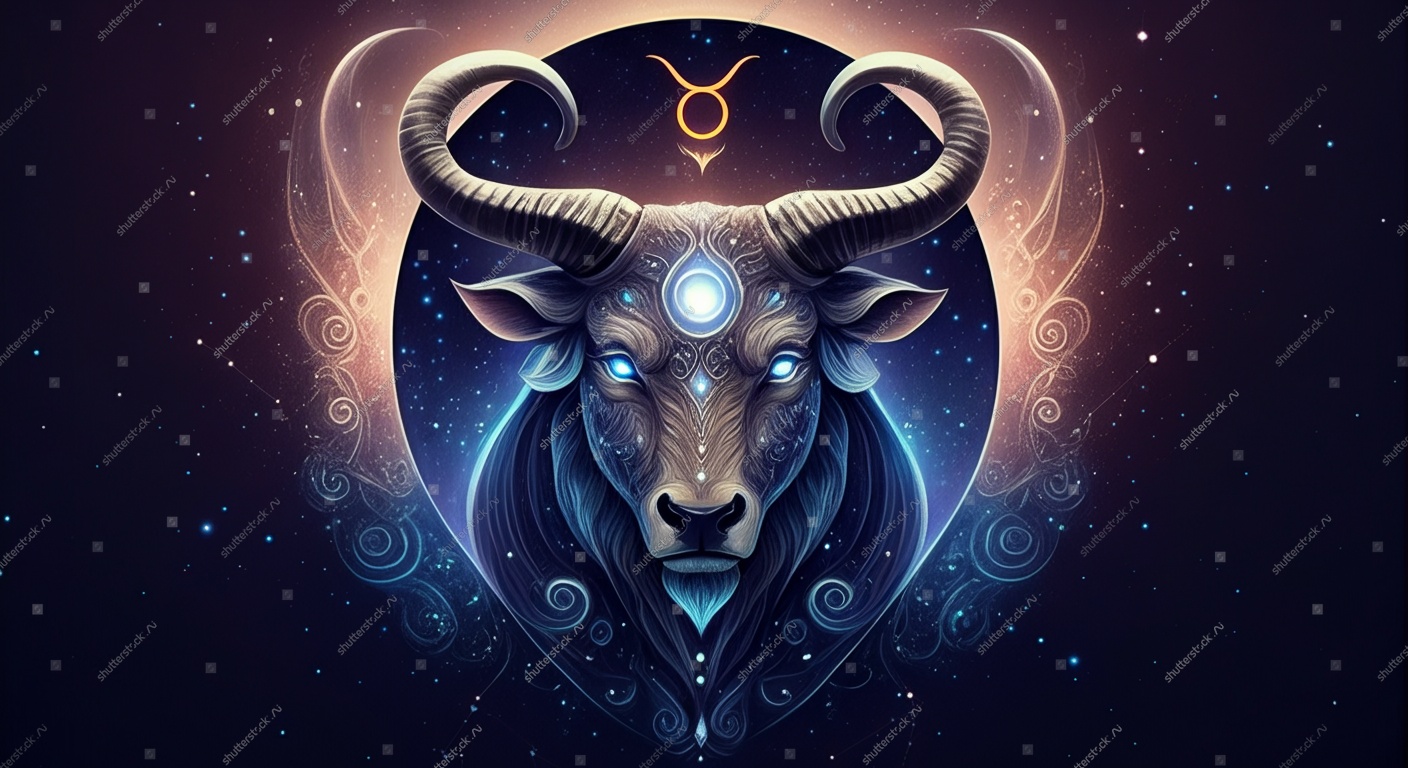 Bull Bull |
|---|
| Characteristics : Taurus, the earthy and immovable Sthira Rashi, embodies stability, sensuality, and grounded persistence. Ruled by Venus and aligned with the South, it is a feminine, nocturnal sign with short ascension and a fixed modality—reflecting its steady, enduring nature. As a Prishtodaya sign (rising backward), Taurus is semi-fruitful and associated with the Vaishya (trading) class, making it naturally inclined toward commerce, cultivation, and material refinement. It is a benefic (Saumya) lunar sector, even-numbered and Rajasik in temperament—possessive, passive, and smooth in expression. Symbolically linked to Moola (plants and trees), Taurus resonates with growth, nourishment, and tactile beauty. Though mild and soft on the surface, it carries a windy undertone and a quiet strength rooted in rhythm and routine. The sign is traditionally “blind at midnight,” hinting at its preference for comfort over confrontation. Jyeshtha (May 15–June 15) marks its solar transit, and its quadruped nature reflects a connection to livestock, agriculture, and the physical world. | |
|
(3) Gemini (Mithuna) (Lord: Mercury)
 Twins Twins |
|---|
| Characteristics : Gemini, the airy and dual-bodied Dwiswabhava Rashi, embodies versatility, intellect, and constant motion. Ruled by Mercury and aligned with the West, it is a masculine, positive, and mutable sign—marked by its Sheershodaya nature (rising headfirst) and biped symbolism, reflecting agility and communication. As a day sign with medium ascension and nocturnal tendencies, Gemini is associated with the lunar sector and considered a malefic (Krura) force, often expressing itself through odd-numbered dynamism and restless curiosity. Its elemental makeup blends bile, wind, and phlegm, pointing to a complex temperament that oscillates between sharp wit and nervous energy. Symbolically linked to Jeeva (from insects to human beings), Gemini resonates with the Shudra (serving) class, emphasizing adaptability, service, and intellectual engagement. The sign is traditionally “blind at noon,” hinting at scattered focus during peak activity. Ashadha (June 15–July 15) marks its solar transit, and its Rajasik nature fuels musicality, voice, and mental stimulation—making Gemini a rhythmic, barren, and highly expressive sign that thrives on ideas, interaction, and innovation. | |
|
(11) Aquarius (Kumbha) (Lord: Saturn)
 Water-bearer Water-bearer |
|---|
| Characteristics : Aquarius, the airy and immovable Sthira Rashi, embodies intellectual clarity, mysticism, and humanitarian vision. Ruled by Saturn and Uranus, it is a masculine, positive, and diurnal sign with short ascension and Sheershodaya nature (rising headfirst), reflecting its forward-thinking and analytical disposition. Though semi-fruitful, Aquarius is deeply enigmatic—linked to the West and transiting Phalguna (February 15–March 15), where its strength peaks during daylight. It blends bile, wind, and phlegm, suggesting a complex temperament that balances logic with intuition. As a malefic (Krura), odd-numbered sign within the lunar sector, Aquarius channels calculated thinking, philosophical depth, and occult curiosity. Its biped form and association with Moola (plants, trees) and the Shudra (serving) class emphasize service through intellect, innovation, and reform. A Tamasik sign by nature, Aquarius is musical, vocal, and rhythmically attuned—often expressing itself through abstract ideas, social causes, and mystical inquiry. It is the archetype of the visionary rebel, blending emotional detachment with deep cosmic insight. | |
|
|
(4) Cancer (Karkataka) (Lord: Moon)
 Crab Crab |
|---|
| Characteristics : Cancer, the watery and movable Chara Rashi, embodies emotional depth, nurturing instincts, and spiritual sensitivity. Ruled by the Moon and aligned with the North, it is a feminine, nocturnal sign with medium ascension and Prishtodaya nature (rising backward), reflecting introspection and protective tendencies. As a fruitful sign associated with the Saawan month (July 15–August 15), Cancer resonates with growth, caregiving, and emotional renewal. Its aquatic symbolism (crawling creatures) and Dhatu element (metals, minerals, clay) point to foundational strength beneath a soft exterior. Considered a benefic (Saumya) and even-numbered lunar sector, Cancer is a Satwik sign—gentle, spiritual, and oriented toward moksha (liberation). It is traditionally “blind at noon,” suggesting emotional overwhelm during peak activity. Belonging to the Brahman (priestly) class, Cancer channels wisdom through feeling, often appearing acute, sensitive, and unstable when emotionally ungrounded. The final portion of the sign is known as Rikta Sandhi, a transitional phase symbolizing emotional emptiness or karmic release. | |
|
(10) Capricorn (Makara) (Lord: Saturn)
 Goat Goat |
|---|
| Characteristics : Capricorn, the earthy and movable Chara Rashi, blends ambition with sacrifice, embodying the disciplined ascent toward mastery. Ruled by Saturn and aligned with the South, it is a feminine, negative, and nocturnal sign with medium ascension and Prishtodaya nature (rising backward), reflecting introspection and strategic progression. Though semi-fruitful, Capricorn is grounded in Dhatu (metals, minerals, clay), symbolizing resilience and material stewardship. Its unique form transitions from quadruped in the first half to aquatic in the latter, echoing the Sea-Goat’s dual nature—earth-bound yet spiritually submerged. Transiting Magha (January 15–February 15), it is windy and Tamasik in temperament, often expressing acute focus, emotional restraint, and karmic endurance. Traditionally “deaf in the afternoon,” Capricorn may resist external influence during peak hours, preferring solitary refinement. As a benefic (Saumya), even-numbered sign within the solar sector, it belongs to the Vaishya (trading) class and is considered a “lame” sign—symbolizing sacrifice, perseverance, and the quiet strength of those who carry burdens with grace. Capricorn’s essence is one of structure, legacy, and the slow, deliberate climb toward transcendence. | |
|
(5) Leo (Simha) (Lord: Sun)
 Lion Lion |
|---|
| Characteristics : Leo, the fiery and immovable Sthira Rashi, radiates regal strength, charisma, and unwavering determination. Ruled by the Sun and aligned with the East, it is a masculine, positive, and diurnal sign with long ascension—symbolizing sustained visibility and solar dominance. As a Sheershodaya sign (rising headfirst), Leo charges forward with boldness and pride, embodying the Kshatriya (warrior) class and bestial instinct through its quadruped nature. Though traditionally barren, Leo is associated with Moola (plants and trees), reflecting its capacity to nurture legacy and stature. It is a malefic (Krura) force in the solar sector, odd-numbered and bilious in temperament, often expressing itself through dramatic flair and intense vitality. Bhadon (August 15–September 15) marks its solar transit, and its symbolic blindness at midnight hints at vulnerability during introspective hours. As a royal sign, Leo governs voice, musicality, and performance—thriving in roles that command attention, inspire loyalty, and elevate the collective spirit. | |
|
(9) Sagittarius (Dhanusu) (Lord: Jupiter)
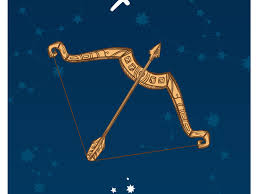 Archer Archer |
|---|
| Characteristics : Sagittarius, the fiery and dual-bodied Dwiswabhava Rashi, embodies expansive vision, philosophical depth, and adventurous spirit. Ruled by Jupiter and aligned with the East, it is a masculine, positive, and day sign with medium ascension and nocturnal leanings—reflecting a paradoxical blend of outward action and inner contemplation. Its unique form transitions from biped in the first half to quadruped in the latter, symbolizing the centaur’s dual nature: human intellect fused with bestial instinct. As a Prishtodaya sign (rising backward), Sagittarius is semi-fruitful and bilious in temperament, often driven by restless curiosity and a thirst for truth. Poh (December 15–January 15) marks its solar transit, and its symbolic deafness in the afternoon suggests selective awareness during peak activity. Though classified as a malefic (Krura) and odd-numbered sign, it belongs to the Jeeva archetype (insects to human beings) and the Kshatriya (warrior) class—emphasizing nobility, exploration, and moral conviction. With ties to the solar sector and Moola (plants, trees), Sagittarius channels its energy into philosophical inquiry, spiritual growth, and bold pursuits that bridge instinct and enlightenment. | |
|
(8) Scorpio (Vrishchika) (Lord: Mars)
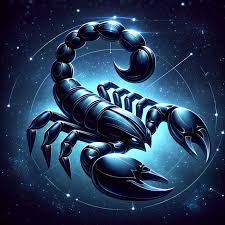 Scorpion Scorpion |
|---|
| Characteristics : Scorpio, the watery and immovable Sthira Rashi, embodies intensity, secrecy, and transformative depth. Ruled by Mars and Pluto, it is a feminine, negative, and diurnal sign with long ascension and Sheershodaya nature (rising headfirst), reflecting its penetrating focus and strategic emergence. Aligned with the North and transiting Maggar (November 15–December 15), Scorpio is fruitful yet phlegmatic—emotionally charged, sensitive, and prone to inner turbulence. As a Tamasik sign within the solar sector, it channels primal force and spiritual yearning, often oscillating between material ambition and moksha-seeking introspection. Symbolically linked to Moola (plants and trees) and the Brahmin (priestly) class, Scorpio resonates with medicine, occult knowledge, and investigative mastery. It is traditionally “deaf in the forenoon,” hinting at selective receptivity and guarded awareness. Though considered a benefic (Saumya) and even-numbered sign, Scorpio’s violent, mysterious, and unstable nature makes it a powerful archetype of emotional depth, healing, and karmic transformation. The final portion, known as Rikta Sandhi, marks a phase of emptiness or spiritual release—ideal for shadow work and inner alchemy. | |
|
(7) Libra (Tula) (Lord: Venus)
 Scales Scales |
|---|
| Characteristics : Libra, the airy and movable Chara Rashi, epitomizes balance, intellect, and refined expression. Ruled by Venus and aligned with the West, it is a masculine, positive, and diurnal sign with long ascension and Sheershodaya nature (rising headfirst), symbolizing forward-thinking diplomacy and graceful assertion. Though considered barren, Libra is rhythmic, musical, and deeply intellectual—governing voice, aesthetics, and social harmony. As a solar sector sign transiting Kartika (October 15–November 15), it blends bile, wind, and phlegm, reflecting a complex temperament that oscillates between sharp judgment and emotional nuance. Libra is traditionally “deaf in the forenoon,” hinting at selective receptivity during peak hours. It is classified as a malefic (Krura), odd-numbered, Rajasik sign, and belongs to the Shudra (serving) class—emphasizing relational intelligence and societal contribution. Its elemental association with Dhatu (metals, minerals, clay) grounds its abstract ideals in tangible refinement. As the sign of justice and equilibrium, Libra channels acute awareness into mediation, aesthetics, and principled leadership. | |
|
(6) Virgo (Kanya) (Lord: Mercury)
 Virgin Virgin |
|---|
| Characteristics : Virgo, the earthy and dual-bodied Dwiswabhava Rashi, represents precision, service, and analytical depth. As a mutable and common sign, Virgo blends adaptability with grounded practicality. Ruled by Mercury and aligned with the South, it is a feminine, negative, and diurnal sign with long ascension—reflecting sustained focus and methodical rhythm. Its Sheershodaya nature (rising headfirst) and biped symbolism highlight intellectual engagement and movement. Virgo is considered barren and windy, often channeling its energy into refinement rather than fertility. Ashwina (September 15–October 15) marks its solar transit, and its symbolic blindness at noon suggests scattered clarity during peak activity. As a benefic (Saumya) and even-numbered sign within the solar sector, Virgo resonates with the Vaishya (trading) class and Jeeva archetype (from insects to humans), emphasizing service, commerce, and detailed observation. A Rajasik temperament fuels its drive for improvement, while its subtle emotional restraint supports its reputation as a thoughtful, efficient, and quietly transformative force. | |
|